Overview
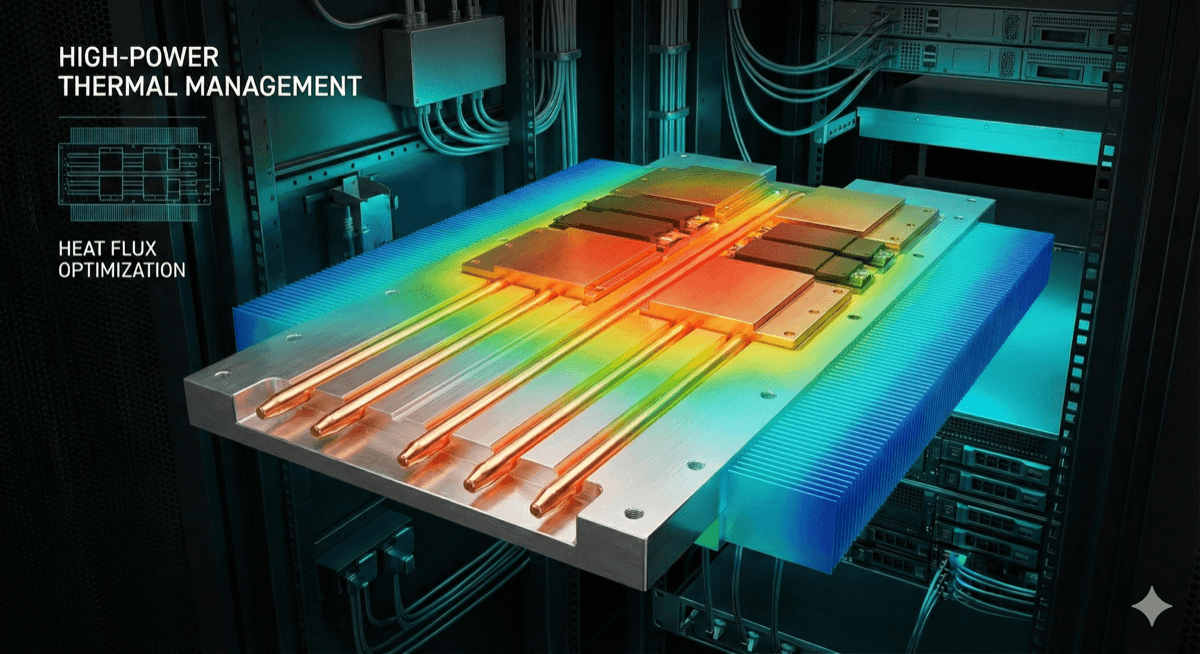
Effective thermal management is the foundation of reliable power electronics. We combine CFD simulation expertise with hands-on design experience to create cooling solutions that keep your devices operating safely within temperature limits—even in the most demanding environments.
Key Benefits
- Reduce junction temperatures by 20-40%
- Extend component lifetime through better thermal margins
- Optimize cooling system cost and complexity
- Validate designs before costly prototyping
- Meet thermal derating requirements for certification
Capabilities
CFD Thermal Simulation
Full 3D computational fluid dynamics analysis to predict temperatures and optimize airflow paths before building hardware.
Heat Sink Design
Custom heat sink design including extruded, skived, and bonded fin solutions optimized for your specific thermal requirements.
Liquid Cooling Systems
Cold plate design, coolant loop sizing, and pump selection for high-power density applications requiring liquid cooling.
Thermal Interface Materials
TIM selection and application guidance—thermal greases, pads, and phase-change materials matched to your assembly process.
Thermal Stack Optimization
Junction-to-ambient thermal resistance analysis and optimization across the entire thermal path.
Our Process
A structured approach that delivers results efficiently
Requirements Analysis
Define thermal targets, operating conditions, and constraints
Day 1Concept Development
Develop cooling concepts and perform initial thermal calculations
Days 2-3CFD Simulation
Detailed thermal modeling and design optimization
Days 4-7Design Validation
Final design review and prototype thermal testing support
Days 8-10Use Cases
How we apply thermal management across industries
EV Charger Cooling
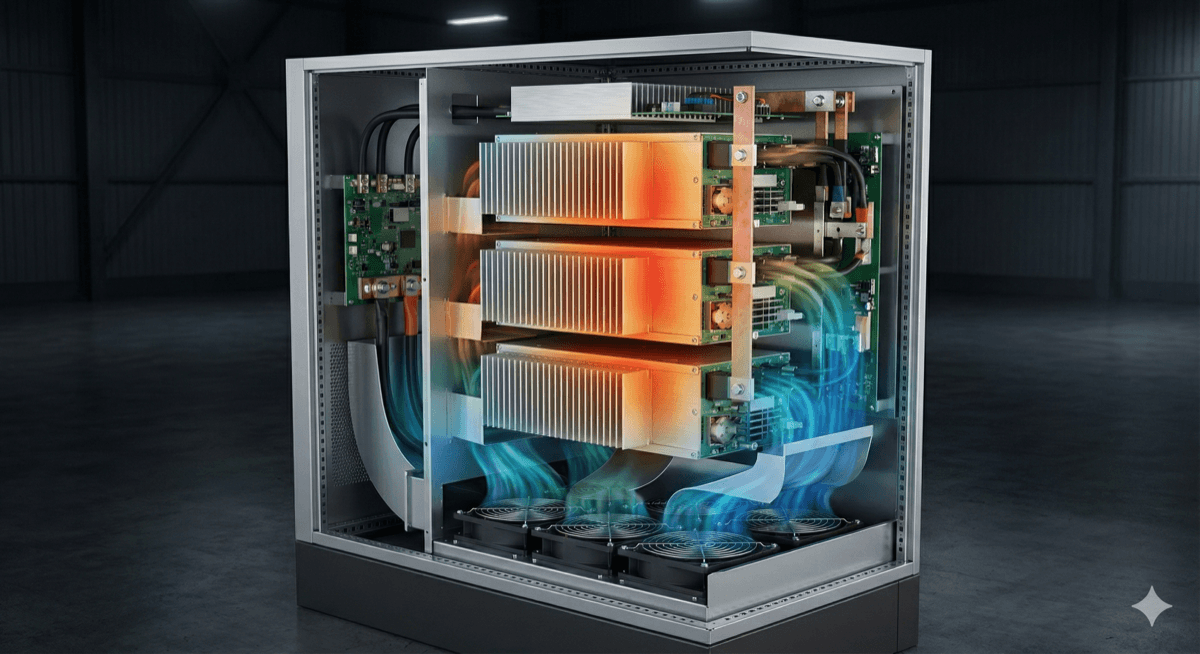
Thermal solutions for DC fast chargers handling 50-350kW, managing heat from power modules, transformers, and contactors.
Battery Pack Thermal
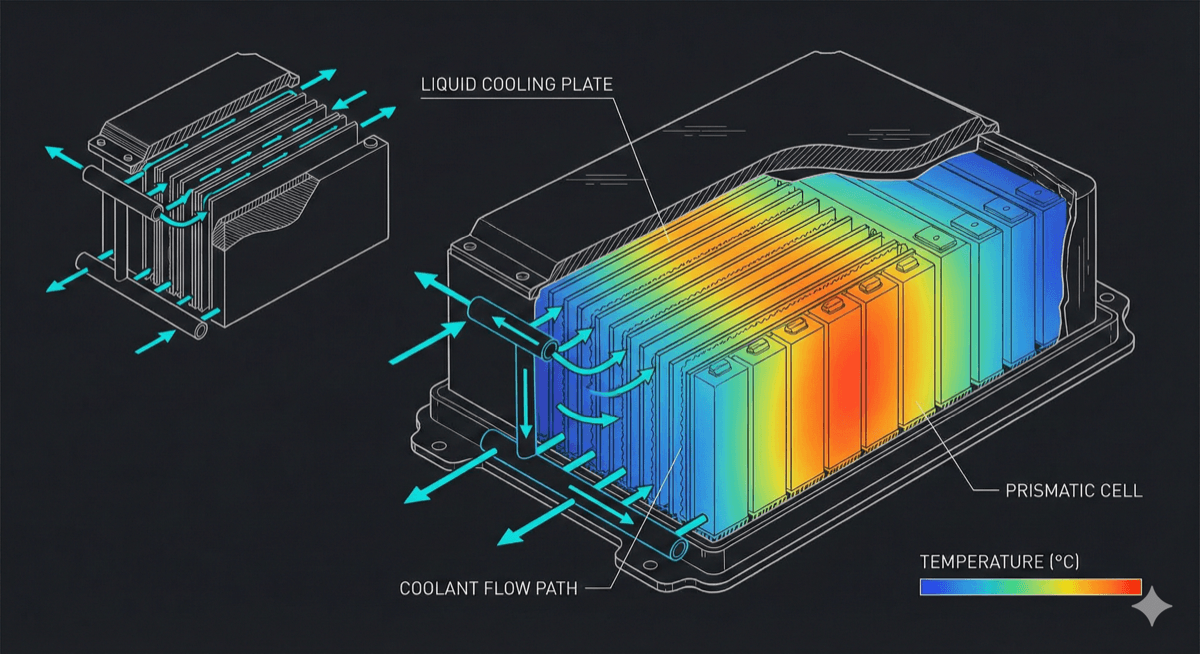
Battery module and pack thermal management for optimal cell temperatures and balanced aging.
Inverter Heat Management
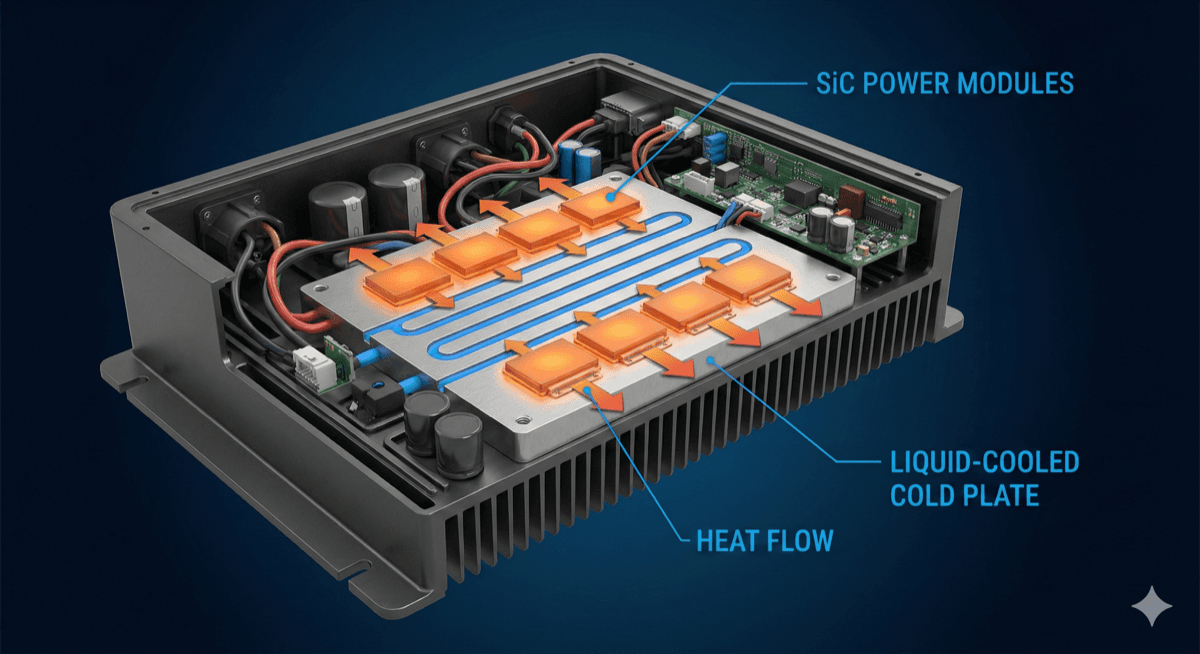
High-efficiency cooling for grid-tie inverters and motor drives with SiC/GaN devices.