Overview
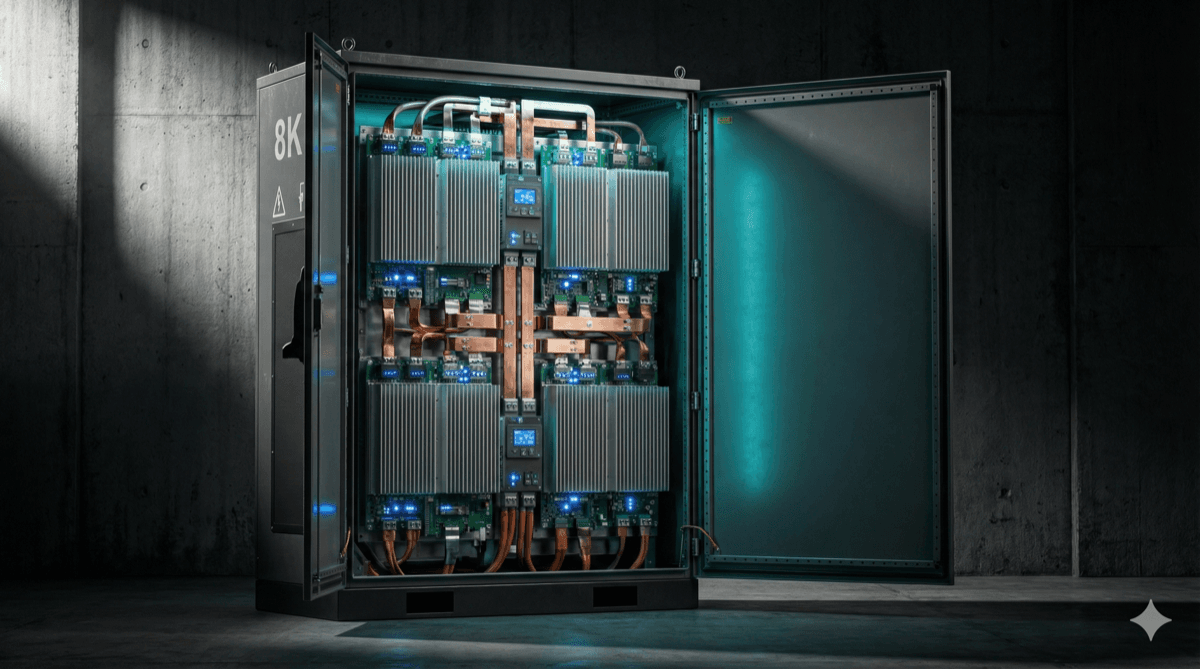
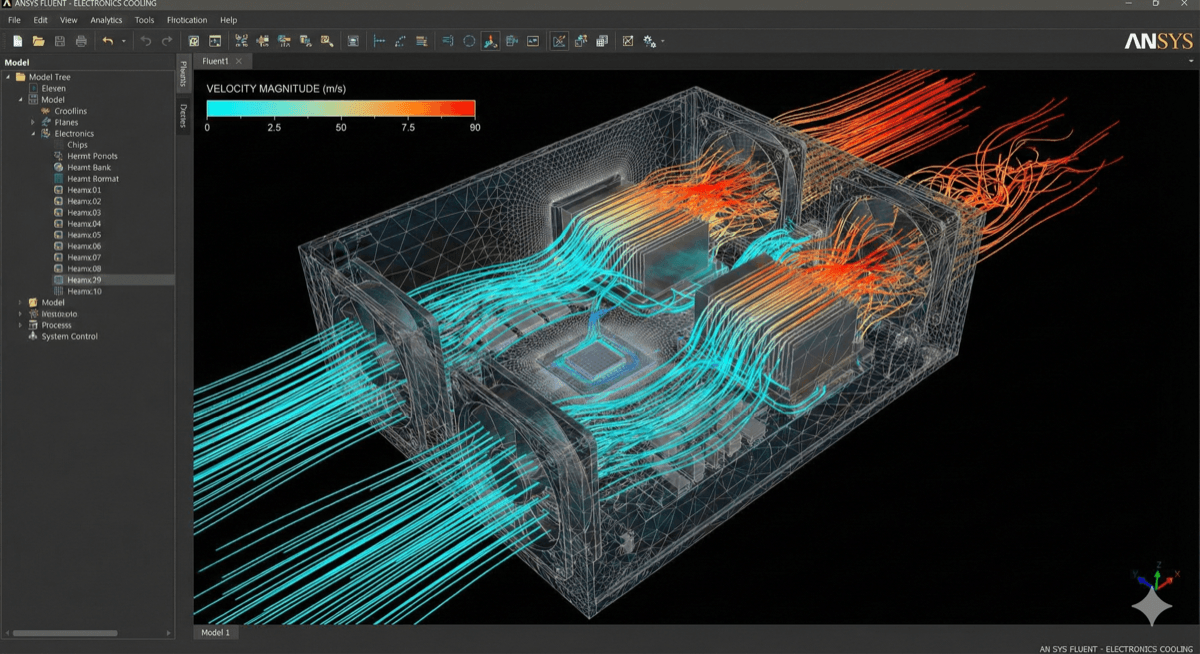
Computational Fluid Dynamics simulation lets you optimize thermal performance before building hardware. Our CFD expertise helps you understand airflow patterns, identify hot spots, and validate cooling strategies—saving time and money in development.
Key Benefits
- Identify thermal issues before building prototypes
- Optimize cooling system design for cost and performance
- Reduce development iterations and time-to-market
- Validate design changes quickly
- Generate documentation for certification support
Capabilities
Airflow Analysis
Detailed analysis of airflow patterns through enclosures, identifying dead zones and optimizing vent placement.
Thermal Mapping
Temperature distribution analysis across PCBs, heat sinks, and enclosures under various operating conditions.
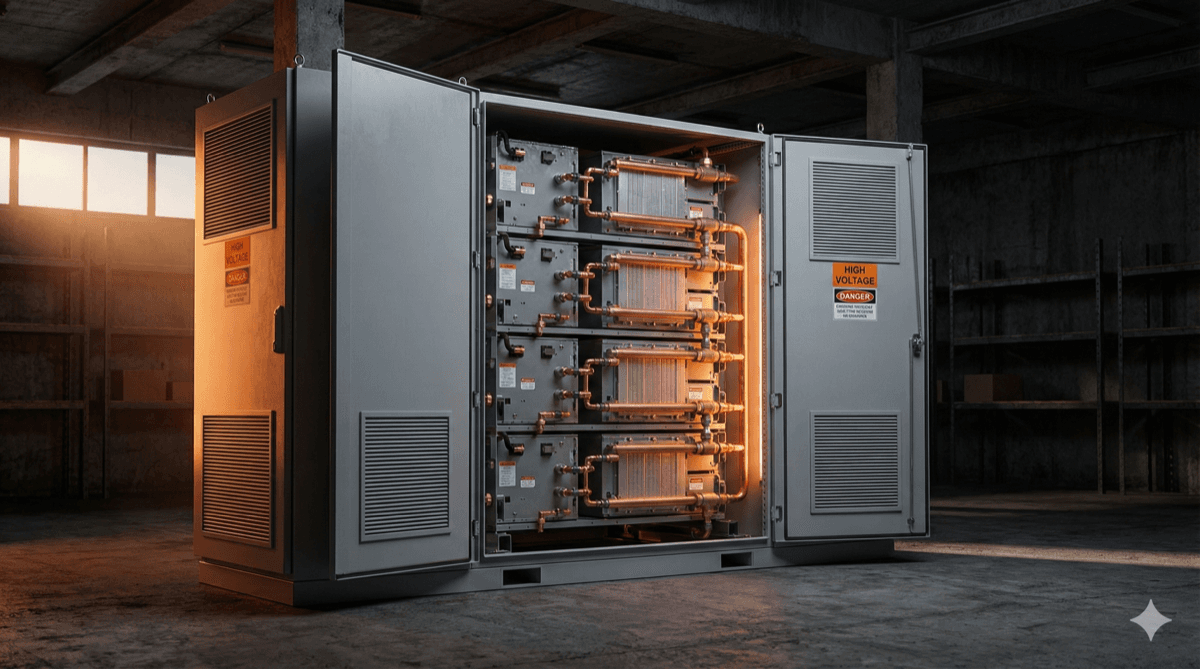
Liquid Cooling Optimization
Cold plate channel design, flow distribution analysis, and pressure drop optimization.
Fan Selection & Placement
Fan curve analysis, optimal placement studies, and system impedance matching.
Transient Thermal Analysis
Time-dependent thermal behavior for pulsed loads and startup/shutdown scenarios.
Our Process
A structured approach that delivers results efficiently
Model Setup
Import CAD geometry and define boundary conditions
Day 1Mesh Generation
Create optimized mesh with proper refinement
Day 2Simulation & Analysis
Run simulations and analyze results
Days 3-5Optimization & Reporting
Design iterations and final reporting
Days 6-7Use Cases
How we apply cfd simulation across industries
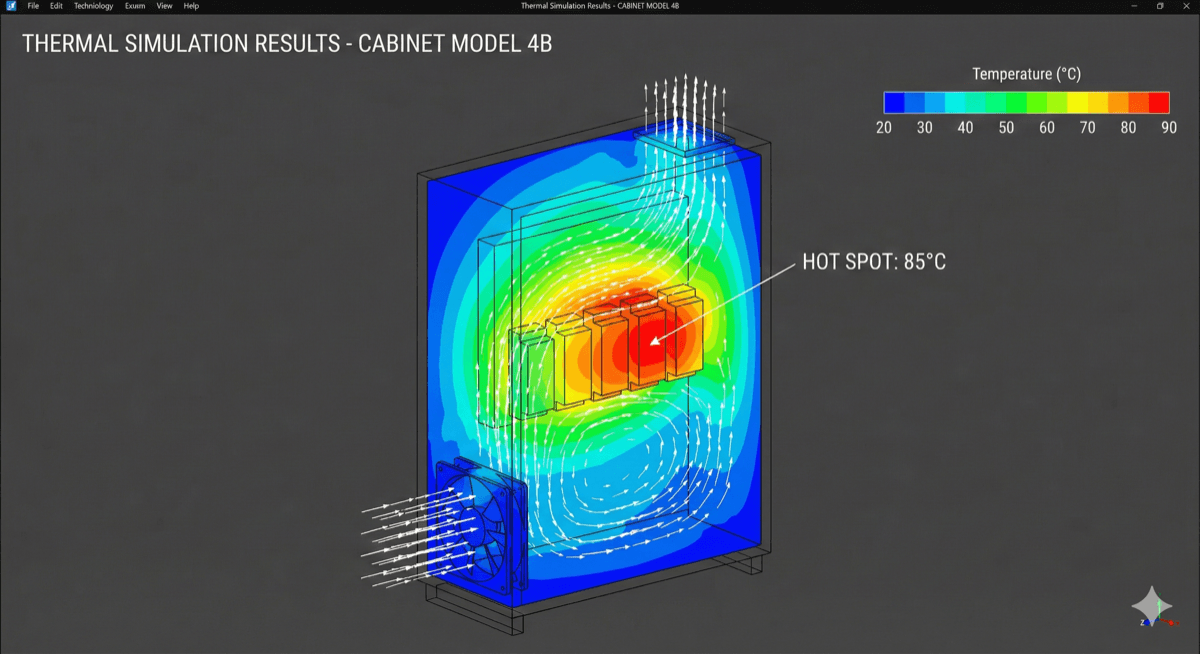
Electronics Enclosure Cooling
Optimize forced-air cooling for power electronics cabinets and rack-mounted equipment.
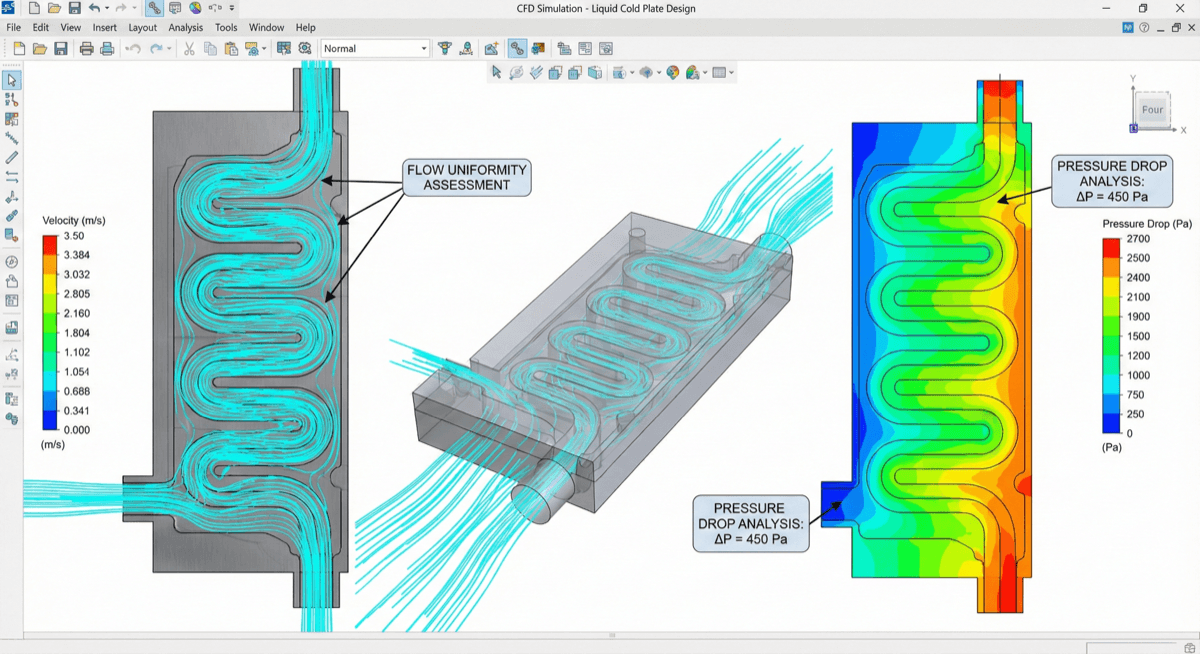
Cold Plate Design
Optimize cold plate channel geometry for minimal thermal resistance and pressure drop.
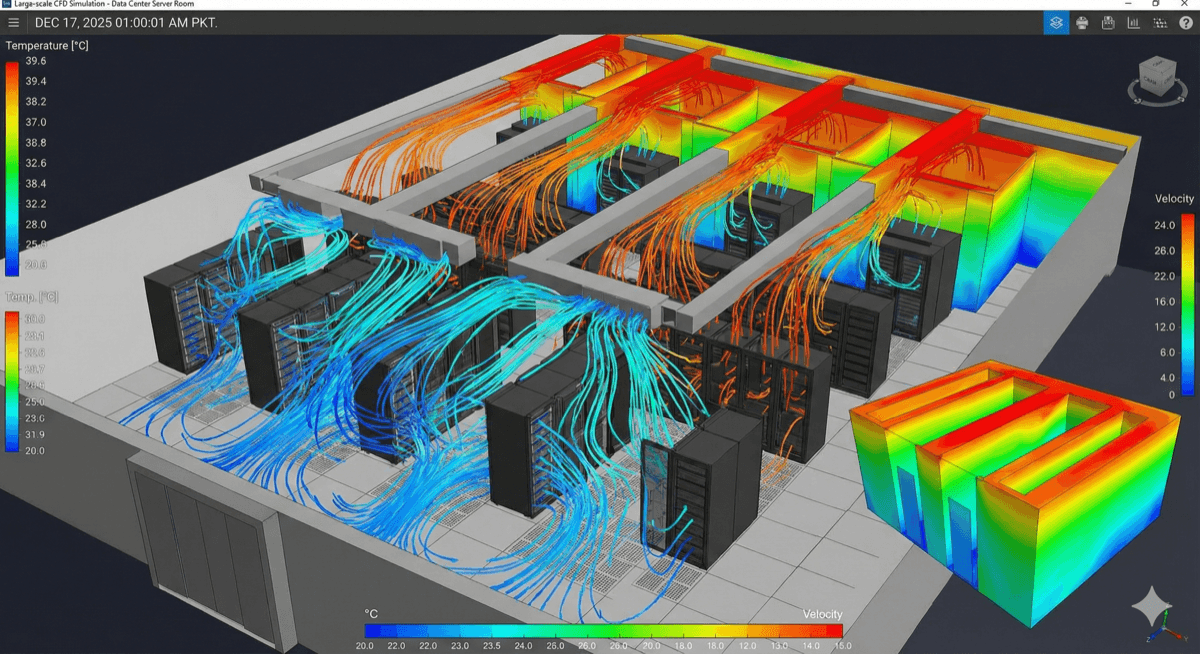
Data Center Cooling
Rack-level and room-level airflow analysis for high-density computing installations.