Overview
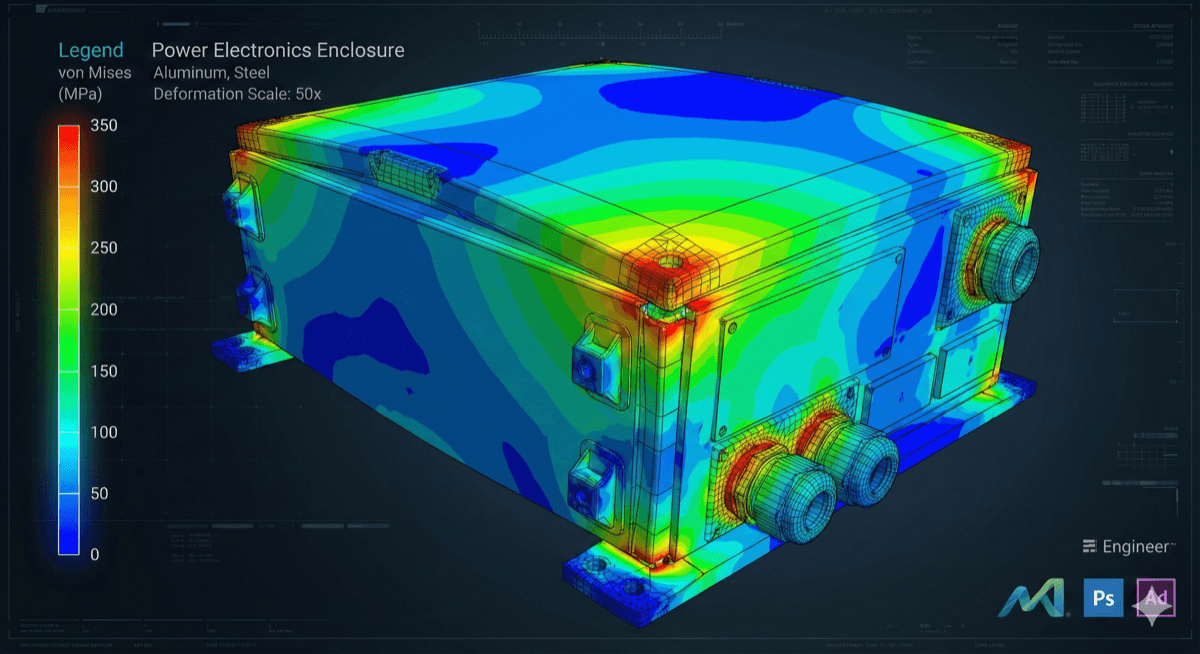
Finite Element Analysis helps you understand how your designs will perform under real-world mechanical and thermal loads. We use FEA to validate structural integrity, predict fatigue life, and optimize designs before committing to hardware.
Key Benefits
- Validate designs against structural requirements
- Predict component lifetime under thermal cycling
- Optimize weight while meeting strength targets
- Reduce physical testing requirements
- Support certification documentation
Capabilities
Structural Stress Analysis
Static and dynamic stress analysis to validate designs against mechanical loading requirements.
Thermal-Structural Coupling
Combined thermal and structural analysis to understand thermal expansion effects and thermal stresses.
Vibration & Modal Analysis
Natural frequency analysis and random vibration response for shock and vibration qualification.
Fatigue Life Prediction
Thermal cycling fatigue and mechanical fatigue analysis for reliability prediction.
Topology Optimization
Material distribution optimization for weight reduction while meeting structural requirements.
Our Process
A structured approach that delivers results efficiently
Requirements Review
Define loading conditions and acceptance criteria
Day 1Model Preparation
Geometry cleanup, meshing, and boundary conditions
Days 2-3Analysis Execution
Run simulations and verify convergence
Days 4-6Results & Recommendations
Interpret results and provide design guidance
Days 7-8Use Cases
How we apply fea analysis across industries
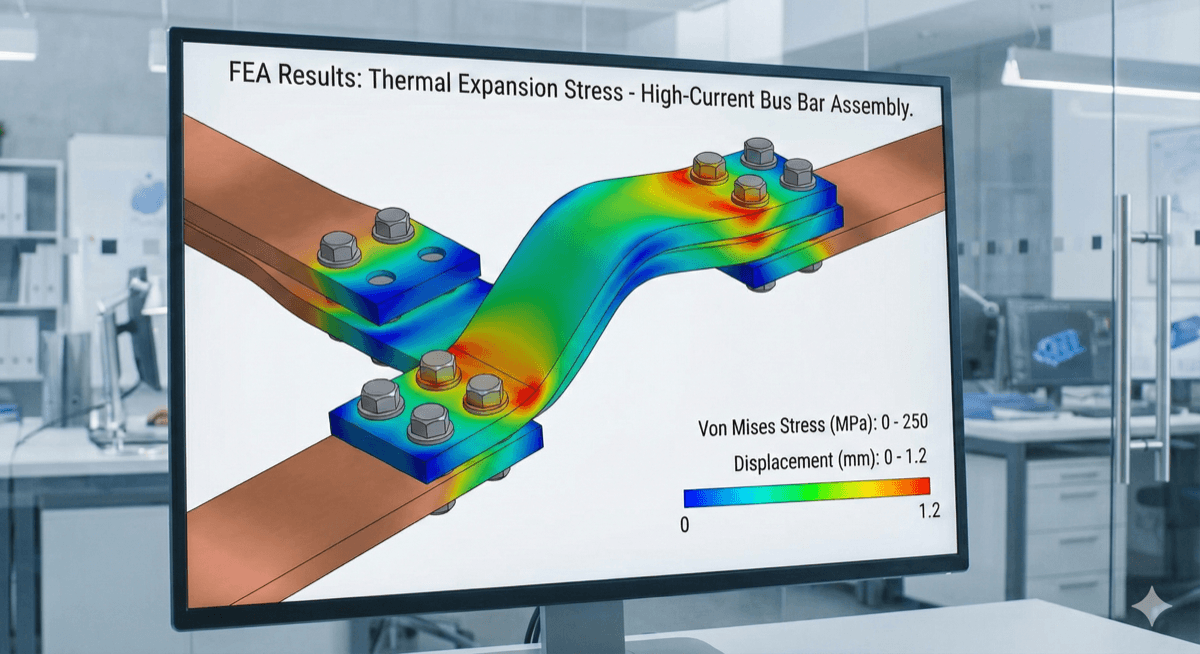
Bus Bar Analysis
Thermal-mechanical analysis of high-current bus bars for thermal expansion and stress.
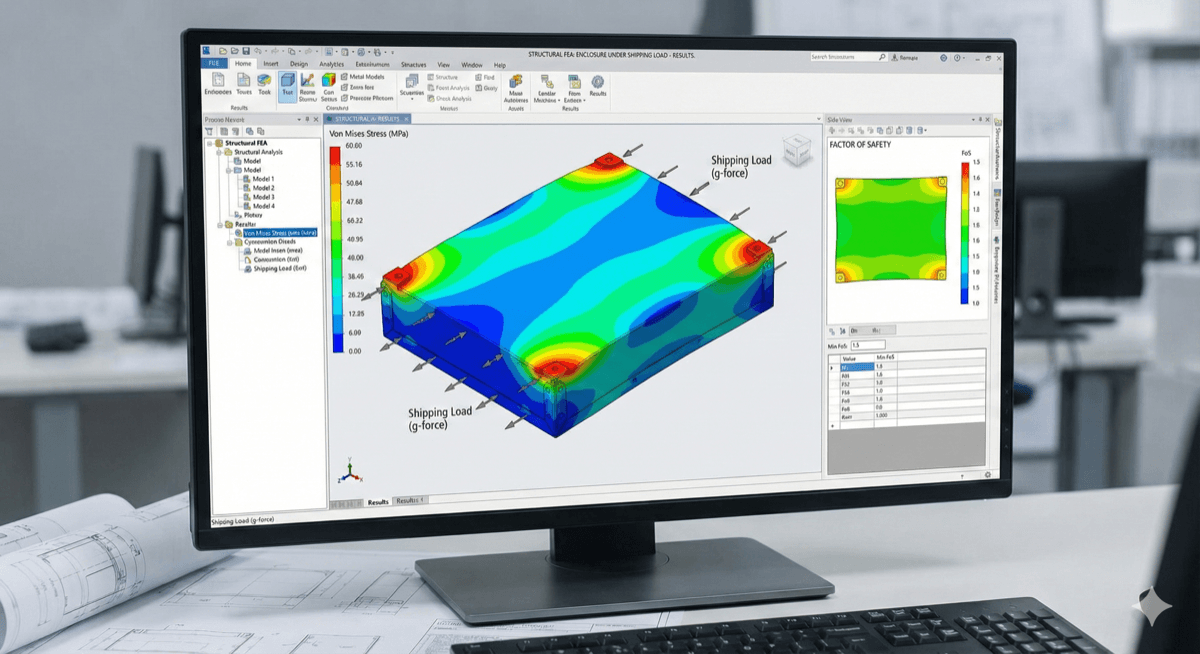
Enclosure Structural
Structural validation of enclosures for shipping, handling, and seismic requirements.
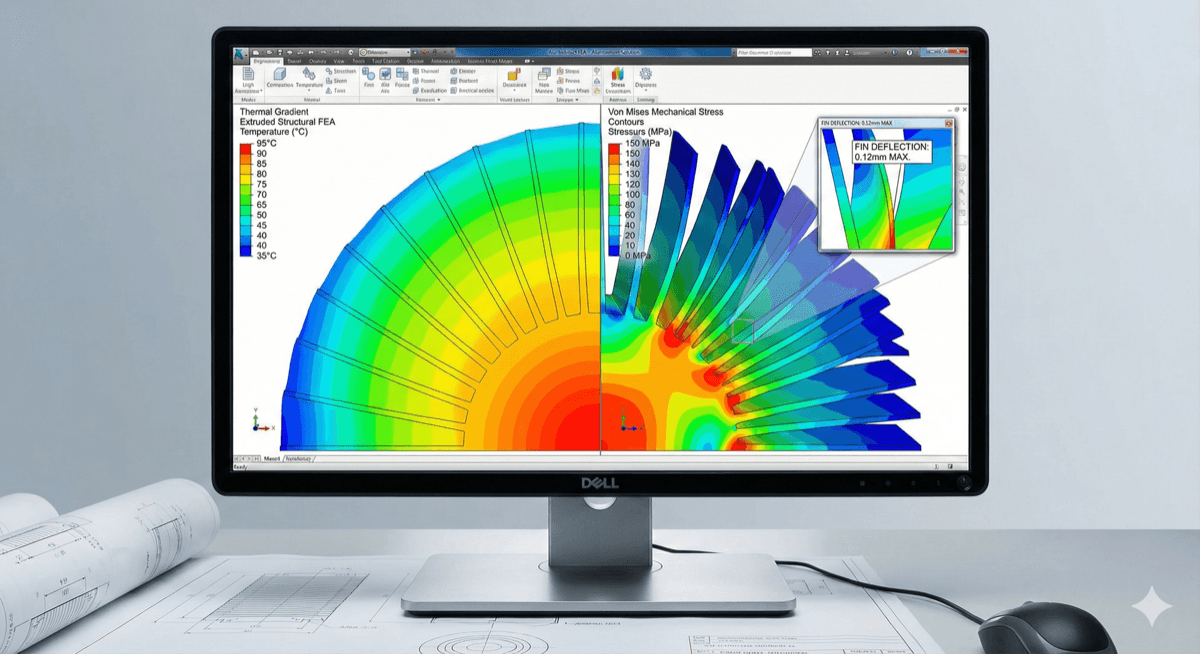
Heat Sink Optimization
Structural analysis of heat sinks under thermal cycling and mechanical mounting loads.